Enterprise Operations

Providing fundamental resources and skillsets

that ensure the seamless operation of ARL.

ARL, as a defense-focused research and development institution, maintains a robust set of enterprise services and Laboratory-wide activities to enable and empower the ARL research mission.

ARL Human Resources

reports directly to the Penn State Office of Human Resources but provides ARL-specific recruiting, hiring, and supporting our world-class workforce.

Business Services

enables and facilitates the research, scholarship, and creative endeavors of ARL by providing efficient and high-quality contracting, purchasing, accounting, and related capabilities to all ARL programs.

Compliance and Audit

conducts independent assessments of ARL activities and serves as the focal point for internal and external audits of ARL programs, policies, and operations. The ARL Compliance team promotes a culture that encourages ethical conduct and a commitment to compliance with all legal and regulatory obligations.

Corporate Communications

oversees ARL’s internal and external messaging strategy and execution. Corporate Communications enables ARL’s mission by providing professional production services and guidance for messaging, presentation, and outreach.

Engineering Services

enables the research mission of ARL by delivering strategic stewardship of ARL research facilities, safety programs, and transportation services. The team also offers high-quality agile drafting and machining to support ARL’s mission critical system development, supply chain management, and related capabilities.

Information Technology Services

oversees ARL’s administrative and research computing capabilities. The IT Services team delivers secure, responsive, efficient, effective, and compliant IT engineering and operations to meet the demanding needs of ARL’s leading edge research.

Leadership Development, Culture, and Student Programs (LCS)

enhances ARL’s mission by ethically and continually embedding Inclusion, Diversity, Equity, Accessibility, Leadership, and Social responsibility (IDEALS) into ARL’s culture. LCS engages ARL’s current and prospective staff through unique program offerings and experiences to build a thriving and inclusive culture.

Security Services

collaborates with ARL research offices and the related Special Program Security department to protect the programs and data driving ARL research. Security Services provides physical, personnel, and operational security across the distributed ARL enterprise.

Communications, Information, and Navigation

Developing cyber electromagnetic advantages for warfighters and operators

from seabed to space.

The Communications, Information, and Navigation Office (CINO) at ARL

develops non-proprietary solutions and champions the transfer of advanced technologies to the Department of Defense (DoD), National Intelligence Community (IC), and other government and industrial entities. We’re a rapidly expanding organization that has experienced significant growth over the last five years – not only with project funding, but also with our total number of funded projects.

Our learning-centric organization

cultivates an environment where creative ideas and people thrive for the betterment of our national security mission.

We employ nearly 300 people

approximately 22 percent of the total ARL workforce.

We’re a diverse group

of highly skilled scientists, researchers, engineers, and professionals. Research and development engineers make up the core of our workforce (59 percent) while research faculty accounts for 8 percent of CINO’s ranks.

CINO SERVES AS A RESEARCH CENTER OF EXCELLENCE

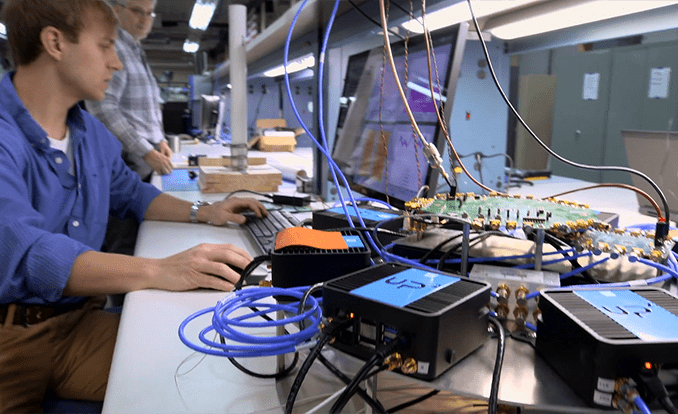
CINO concentrates on the collection, analysis, processing, exploitation, transportation and visualization of signals, data and information. Cyberspace and the wider information environment are our focus. By leveraging our expertise in information and communication technologies (ICT), and navigation systems, we evolve ideas from concepts, through design, prototypes, testing and evaluation.  We equip the USG with the capabilities needed for the nation’s top priorities.

  • Cyber and Electromagnetic Maneuver Warfare (EMW)
  • Special communication
  • Precision navigation and precision geolocation
  • Decision advantage
  • Cyber forensics and cybersecurity
  • DevSecOps automation
  • Enhanced warfighter effectiveness via real-time support
  • Geospatial Imagery and Data Science

Our mission focus spans the physical warfighting domains: land, air, space, maritime, electromagnetic spectrum, and cyberspace. We are focused on our DoD and other USG sponsors who benefit from an established, trusted relationship, and our agility and ability to rapidly innovate and provide prototypes that meet national security needs sought by our sponsors for their missions.

OUR DIVISIONS

Within its six divisions, CINO develops non-proprietary solutions and champions the transfer of advanced technologies to the DoD, National Intelligence Community, and other government and industrial entities.

Advanced Science and Technology (AST) focuses on nascent technologies in the areas of electromagnetics, electromagnetic maneuver warfare, quantum sciences, and sensors.

Through cross-Division and cross-Office collaborations, AST provides foundational basic and applied research products in these areas to benefit the USG and warfighter communities.

Communications and Signal Processing (CSP) supports the DoD and IC by providing basic and applied research expertise to develop and prototype advanced communications systems and associated technologies.

CSP supports the transition of these prototype capabilities to operational utility.

Cyber, Modeling, and Simulation (CMS) conducts research and development on full spectrum cyber capabilities, providing warfighters with strategic and operational cyberspace superiority in conjunction with the ability to achieve and maintain information dominance.

CMS also leverages modeling and simulation expertise and other resources to deliver prototypes, demonstrations, and accelerated transitions of emerging research and technologies vital to national security needs, in addition to performing research, development, testing, and evaluations facilitating innovation in practice and development of critical, in-demand capabilities.

A cyber center of excellence, CMS researches, develops, and delivers to sponsors a diverse range of innovative, forward-thinking cyber capabilities spanning the entire electromagnetic spectrum, and featuring the speed and agility required to achieve cyberspace domain dominance.

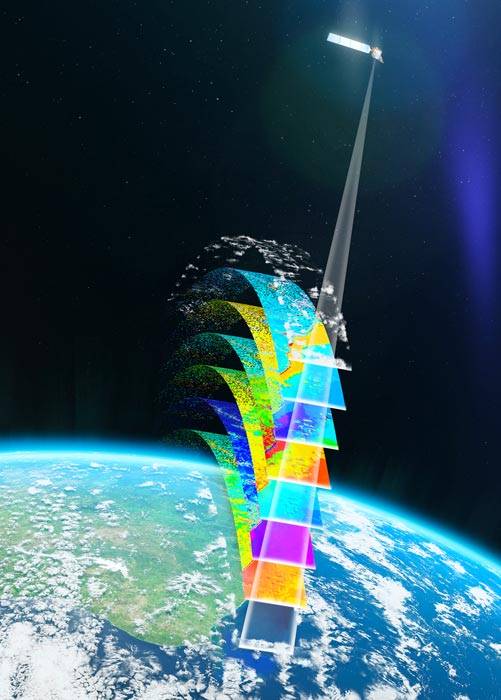
The Geospatial, Image, and Data Sciences Division focuses on GeoSpatial Intelligence (GEOINT) and its supporting disciplines, while supporting the National System for Geospatial Intelligence (NSG).

Our team of researchers includes image scientists, mathematicians, computer scientists, engineers, geographers, and meteorologists.

Navigation Research and Development (NRD) serves the DoD by performing precision navigation research, development, testing, and evaluation to meet current and future military mission needs. NRD provides system engineering and technical advice for transitioning new technology and advanced capabilities into military platforms through utilization of specialized scientific and engineering navigation experts and a unique testing facility.

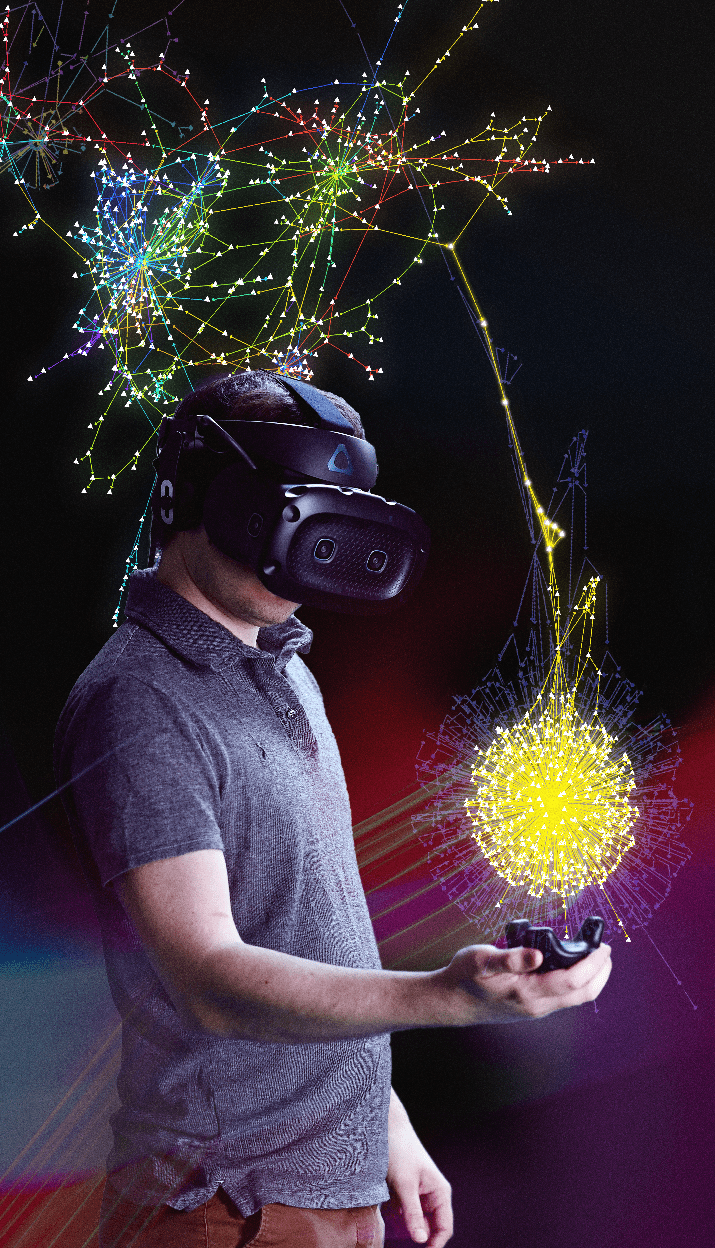
Visualization and Decision Support (VDS) researches, develops, and applies technical innovations that provide decision advantage through the use of visualizations, analytics, geographic information systems, simulations, and collaboration technologies.

Fluid Dynamics and Acoustics

Solving challenging problems in marine and aerospace systems

by providing modern tools and facilities for Naval systems.

Fluid Dynamics

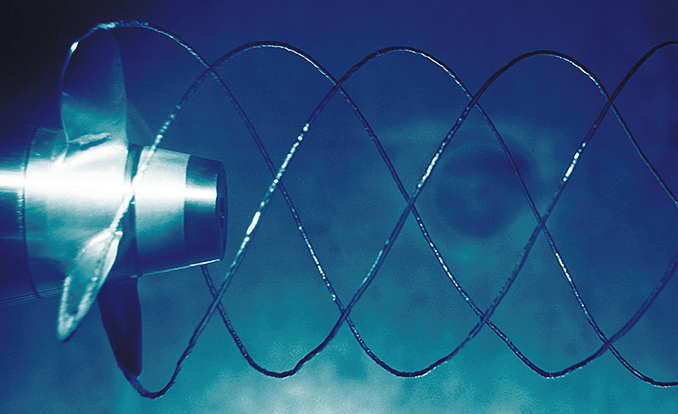
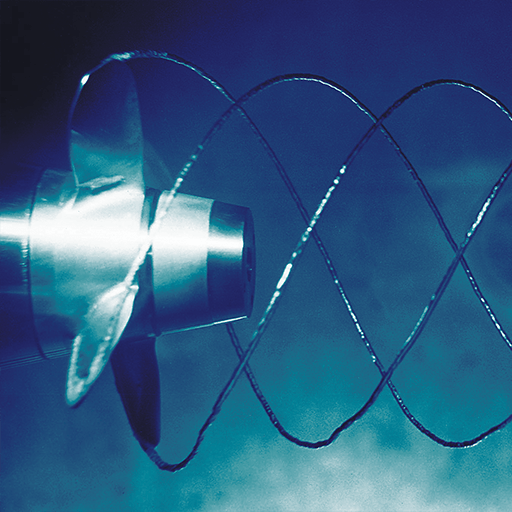
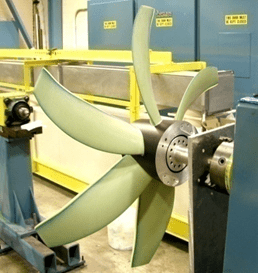
Our team leverages core competencies in basic and applied fluid dynamics, marine systems, turbomachinery, and testing to achieve innovative solutions for demanding technical challenges. Our concentrations include:

  • Advanced flow measurement techniques
  • Hydrodynamics testing
  • Pump design
  • Marine renewable energy

Acoustics

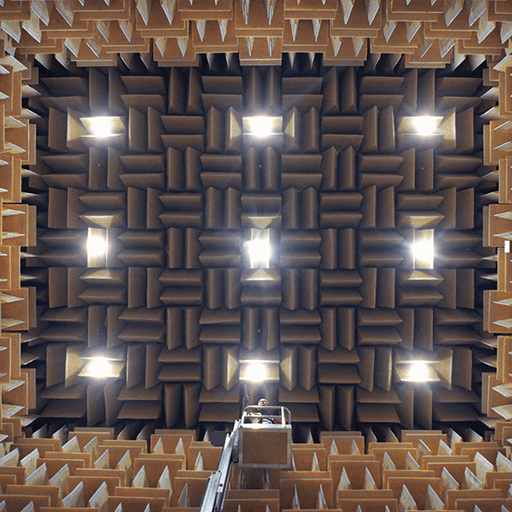
We create advanced technology to reduce vibration and noise by using thorough experimental measurements and computational predictions in complex structures. Our concentrations include:

  • Flow Acoustics
  • Structural Acoustics
  • Engineering Acoustics

Computational Mechanics

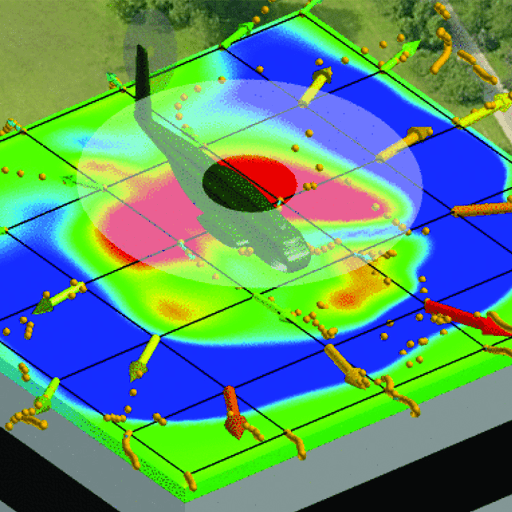
We perform advanced physics modeling using high performance computing. Our state-of-the-art design and analysis software tools allow us to execute high fidelity numerical simulation. Our concentrations include:

  • Pump design
  • Multi-phase flow simulations
  • Biological and biomedical simulations
  • Vehicle control dynamics
  • Computational methods development

Research Facilities

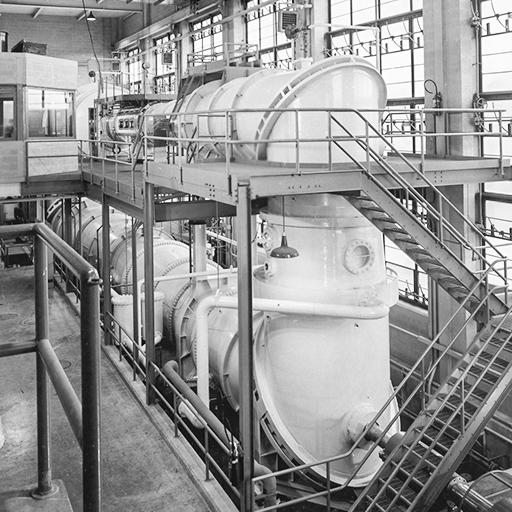
We house specialized experimental facilities, advanced instrumentation techniques, and state-of-the-art computational resources. Our expertise and capabilities include:

  • Complete experimental support from initial concept and design to fabrication and performance evaluations
  • Test model, electronics, and instrumentation designs and applications
  • Test articles and instrumentation fabrication and assembly
  • High performance computing resources

We are a dedicated, innovative team of researchers and scientists whose experience spans the breadth of the maritime and aerospace fields.

With advanced expertise in acoustics, computational mechanics, and fluid dynamics,
we view challenging problems as creative opportunities, providing state-of-the-art technical solutions to our sponsors.

Expertise and Capabilities

We develop and execute leading edge technology programs from basic research through full-scale system applications in the areas of fluid dynamics and turbomachinery, flow and structural acoustics, and computational mechanics.

We develop technology in these areas and transition it to the DoD, and industry. We also develop and maintain world-class facilities, instrumentation, and methodology for the experimental and computational study of fluid dynamic and acoustic phenomena. These include a precision model shop for fabrication of test models and prototype hardware.

Leading the way

Our sponsors and research partners depend on our scientists, researchers, and industry professionals to solve highly specialized technical problems in the air and in the water.

Our state-of-the-art research facilities enable hands-on exploration and innovation in a secure space, allowing for rapid innovation and prototyping.

Materials and Manufacturing

Delivering integrated, optimized, and budget-conscious solutions

using innovative materials and manufacturing techniques.

Materials Technology

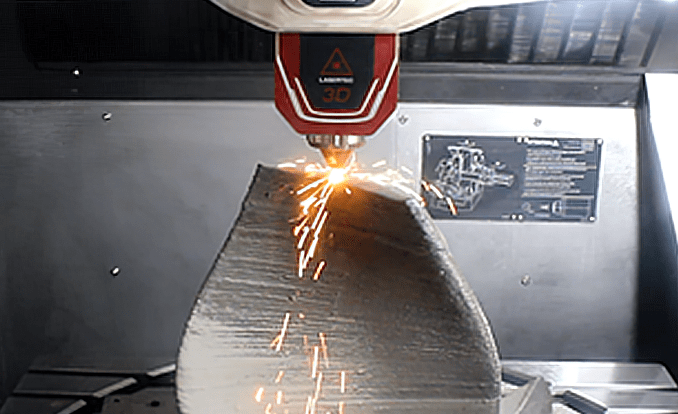
ARL conducts basic and applied research over a broad range of materials, processes and characterization methods. Areas of expertise include metal, ceramic, and polymer additive manufacturing, composites, coatings for corrosion and wear resistance, optics, thermal and environmental barriers, nuclear, biomaterials, gear technology, corrosion, thermo-mechanical processing, high pressure testing, solid-state consolidation and electronic materials and devices.

Modeling capabilities include high strain-rate, design for affordability, large deformation, acoustic tailoring and the impacts of defects on the performance of AM components.

Testing capabilities include corrosion, hot corrosion, wear resistance, oxidation resistance, erosion resistance, mechanical and material properties, optical properties, tribology, vibration and acoustic response. ARL can tailor capabilities to develop material solutions to meet demanding performance requirements.

Manufacturing Technology

We develop and deploy manufacturing processes and systems to support the current and future needs of our customers product lifecycle management challenges.

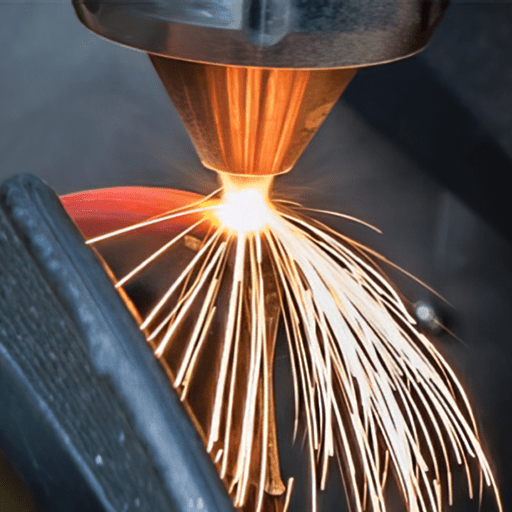
We are engaged across the spectrum of manufacturing from trade space design processes, additive manufacturing in metals and advanced coating technologies, to workcell development, through the modeling, simulation and analysis of industrial facilities.

We specialize in developing innovative and affordable technology solutions than can be implemented and sustained by our customers.

Sustainment Technologies

At ARL, effective lifecycle asset management of complex systems starts with conducting reliability engineering and reliability centered maintenance (RCM) assessments to determine the failure modes that have the highest impact on sustainment.

We select the optimum combination of integrated technologies including advanced NDI techniques and Predictive/Prognostic technologies that enable Condition Based Maintenance. Our focus is to enable the most cost effective and advantageous sustainment solutions for your complex systems.

Logistics and Supply Chain

We collaborate with our customers to design solutions that range from the core to the very edge of their enterprises for products including food, water, fuel, equipment, spare parts and medical supplies.

We specialize in conducting supply chain engineering, designing and implementing supply chain systems, and developing specialized expeditionary applications unique to the US military.

OUR DIVISIONS

WHO WE ARE:

The SOA division consists of the Complex Systems Monitoring Department, Embedded Systems Department, and Vehicle Investigation and Cybersecurity Department that have complimentary missions in the area of lifecycle asset sustainment.

WHAT WE DO:

The unified mission includes:

  • We conduct systems analyses to determine the requirements for technologies that enable data driven decision making through the implementation of automated information management, data assurance, machine learning based asset health monitoring, and asset/fleet life cycle management.
  • We design and develop prototype hardware/software technologies for autonomous operations, asset life cycle management, and cybersecurity of complex systems using embedded sensors, data collection, control systems, and advanced on-platform and enterprise level data analysis solutions.
  • We integrate, test, evaluate, and transition prototype embedded data collection, processing, and control technologies through simulations in the laboratory and with application to full-scale physical assets in field environments.

Capabilities include:

  • Embedded System Development and Platform Technology Integration
  • Robotic Technology Development and Autonomous Intelligent Systems
  • System Analysis including Reliability Centered Maintenance and Cost Benefit Analysis
  • Health Monitoring System Design including Diagnostic and Prognostic Algorithm Development
  • Vehicle Fleet Life-Cycle Management
  • Advanced DoD Vehicle/Platform Technologies
  • Utilization of Digital Networks for Health Management and Cybersecurity of Military Platforms
  • Integrated System Prototypes including Technologies for Ground Vehicles, Naval Systems, and Expeditionary Fuel Systems.
WHY IT MATTERS:

Our goal is enabling our customers to leverage advanced technologies to become data driven decision makers for the sustainment of their critical assets.

WHO WE ARE:

An interdisciplinary group of engineers, software developers, functional business process experts, and IT professionals who collaborate to support effective and efficient digital transformation programs.

We conduct basic and applied R&D efforts focused on acquiring data, turning data into information and knowledge, and delivering that data, information, and knowledge to the right warfighter at the right time.

Our research spans the spectrum from the tip of the spear to the heart of the enterprise.

WHAT WE DO:
  • We improve the operational effectiveness, accuracy, and efficiency of logistics support to DoD Components.
  • We model and simulate supply chains and analyze the resulting data in order to develop risk-aware optimization policies supporting operational readiness.
  • We develop blockchain applications for permission management in low-bandwidth environments and trusted-asset-condition.
  • We develop mesh network technology for asset tracking and low-bandwidth data transmission.
  • We conduct data modeling and data engineering supporting applications ranging from enterprise resource planning to machine learning pipelines.
  • We develop machine learning applications to predict future supply chain and logistics events and performance.
  • We improve the operational effectiveness and efficiency of the DoD enterprise logistics systems.
  • We optimize and refine best practices associated with the DoD’s enterprise computing systems.
  • We help our customers reduce dependency on expensive and cumbersome customizations in order to gain more efficiency and reduce sustainment cost of these large IT investments.
  • We prototype and demonstrate emerging capabilities and technologies associated with enterprise systems so that our customers can better understand how to leverage these tools in their organizations.
  • We challenge and educate our customers to consider business process changes in concert with technology implementations to holistically improve their organizational performance.
  • We collect data via user-facing applications and sensor integration.
  • We develop architectures to move, manipulate, and learn from that data.
  • We provide intuitive decision support tools to end users such as:
    • Hands-Free Electronic Health Record Initiative – We developed a Microsoft HoloLens based tool that allows battlefield medical providers to: enter critical medical information via verbal input, freeing their hands to continue treating the patient; see critical information about the patient without diverting attention away from the patient; and understand their placement on the battlefield and the nearby threats and resources.
    • USMC Tactical Service Oriented Architecture (TSOA) – We built messaging and management infrastructure for the Marine Corps’ TSOA. This includes publish/subscribe messaging, standardized APIs via Remote Procedure Calls, message validation, user authentication and management, data storage, system monitoring and control, and a suite of administrative and development tools. TSOA leverages a node-based architecture with data federation to share information throughout the battlespace. Each node can operate independently and provides a shared data environment so that new applications and services can be quickly developed to utilize existing data. This system has successfully transitioned and fielded to Combat Operations Centers (COC) throughout the Marine Corps.
WHY IT MATTERS:

Our customers face the challenge of operating the world’s most complex organizations in the world’s most complex environments and the tools they use must speed decision making to outperform their competitors. They benefit from ARL’s targeted research to support decisions that help them improve the effectiveness and efficiency of their operations.

WHO WE ARE:

The Materials Science and Applications Division consists of:

  • Advanced Manufacturing Process Development Department
  • Materials Characterization Department
  • Materials for Extreme Environments Department
  • Electronic Materials and Devices Department

Division faculty and staff support the development and implementation of material and material related solutions.

WHAT WE DO:

The mission includes:

  • Developing long-term strategic relationships with sponsors to support development and transition of key technologies to meet critical mission requirements.
  • Basic and applied research to:
    • Develop new materials and material processes;
    • Increase capabilities of existing materials and material processes;
    • Material testing and characterization;
    • Develop and test prototypes;
    • Transition technology and provide materials and manufacturing expertise.
  • Develop advanced materials and process existing and emerging applications. Specific areas include metal and ceramic additive manufacturing, coatings, electronic and optical materials, sensors and electronic devices, gears, solid-state consolidation and hybrid materials.
  • Develop and implement material models, sensors and characterization methods for in-situ process monitoring modeling, development of process-property relationships and optimization of materials and material processes.
  • Transition materials and repair technology including process specifications for vendors, training, qualification requirements and support.
WHY IT MATTERS:

Our goal to develop optimal solutions to material and material related issues to enable our customers to solve current and emerging problems and to provide subject matter experts for material issues.

WHO WE ARE:

The Manufacturing Systems Division consists of the Product and Process Design Department, the Lifecycle Engineering Department, and the Production Engineering Department.

WHAT WE DO:
  • We continue to develop lines of basic research in:
    • Design methods
    • Additive manufacturing
    • Process planning
    • Artificial Intelligence with focus on design, manufacturing, and systems engineering
    • UAS sciences (aero, control, sensors)
  • Transition results of basic research into direct support for our government sponsors.
  • Support internal lab processes from manufacturing to systems engineering, including:
    • Improving ARL’s ability to execute its programs
    • Using ARL as a sandbox for process improvement
  • Very rapidly conceive, reduce to practice, and deploy systems for operational support and sustainment.
    • Running a “skunkworks” focused on sustainment technologies
    • Serving as a template for other organizations developing their own rapid response
  • We conduct unmanned air systems research and operations.
    • MSD owns 3 of 6 standardization pilots for the University
    • Private airfield for flight test provides unique capability
  • We grow our nation’s future leaders in the areas of design and manufacturing.
WHY IT MATTERS:

Design and manufacturing is where ideas are reduced to practice. Our nation’s competitiveness is directly tied to our capability in these domains.

WHO WE ARE:

The Electro-Optics and Electronics Division provides trusted agent services; industry interface; research and development; modeling and simulation; system design, fabrication, integration, testing & evaluation; and acts as a repository of knowledge for the US Navy, and other Department of Defense (DoD) entities in technical areas related to electro-optics & electronics.

Our work with industry, academia professional organizations and government laboratories serves to nurture the development of electro-optic and electronic materials/components, and transition successful technologies needed for the advancement of the nation’s defense capabilities.

Intimately tied to our designation by the Office of Naval Research (ONR) as a Manufacturing Technology (ManTech) Center of Excellence in Electro-Optics (since 1999) and Electronics (since 2021), we rapidly and nimbly develop solutions to reduce the acquisition costs of US Navy platforms through improved manufacturing processes, introduction of emerging technologies, and technology transfer between the commercial and military market sectors.

WHAT WE DO:
  • Advance the state of the art for optical sensors, software and systems for the U.S. Navy and other DoD service and agency customers
  • Support the design, development, integration, testing and transition of high energy laser systems, subsystems and components
  • Design and deliver integrated optical and mechanical solutions for complex optical systems
  • Provide an accessible and agile competency in fiber optics and photonics, sensitive to the needs of the US Navy and the US government
  • Maintain a vertically-integrated laboratory with extensive capabilities for R&D, prototyping, reliability, failure analysis and manufacturing technology specializing in electronic, piezoelectric and optical materials
  • Develop and transition innovative technology and process solutions to maintain competitive manufacturing technology leadership in issues of national importance
WHY IT MATTERS:

The greatest ongoing challenge facing DoD technology advancement is transcending the “gap” between identifying and developing the most promising research and transitioning it to manufacturing for field and fleet acquisition. Transcending this gap is precisely what we do. From groundbreaking research to extending the lives of legacy systems, our staff has successfully demonstrated we can meet our sponsors’ most challenging technology transition requirements.

By addressing warfighter issues from a systems-focused perspective, we are able to shorten the development life cycle and expediently field relevant solutions at lower cost and greater availability.

WHO WE ARE:

The Materials Design and Optimization Division conducts basic and applied research in composite, multi-material, and multi-functional hybrid materials and structures for DoD and industrial applications with emphasis on performance, reliability, affordability and technology transfer.

WHAT WE DO:

We have expertise across the entire process of creating new, novel composite and multi-functional materials. This expertise includes formulation of the material chemistry, manufacturing, component and system level mechanical design/analysis, and quality assurance through both destructive and non-destructive testing.

Capabilities include:

Fabrication Process Development and Optimization

Fabrication facilities include:

  • 3′ diameter x 7′ Baron autoclave with computer control to 250 psi maximum pressure and 825°F maximum temperature processing limits
  • Meter/mix equipment with 2 component/solvent flush, heated pots/delivery lines, vacuum degassing and static mixer used for RTM and VARTM processing
  • McClean Anderson filament winder with Compositrak control, 4 programmable axes suitable for both prepreg tow and wet winding
  • 6′ x 6′ x 10′ curing oven (500°F)

In addition ARL-Penn State maintains a machine shop with 38 stations that include six 5-axis, three 4-axis and four 3-axis CNC machining stations. ARL has access to 0°F walk-in freezers and standalone chest freezers. CMD maintains data acquisition capabilities for a wide range of in-situ process monitoring.

Advanced Manufacturing

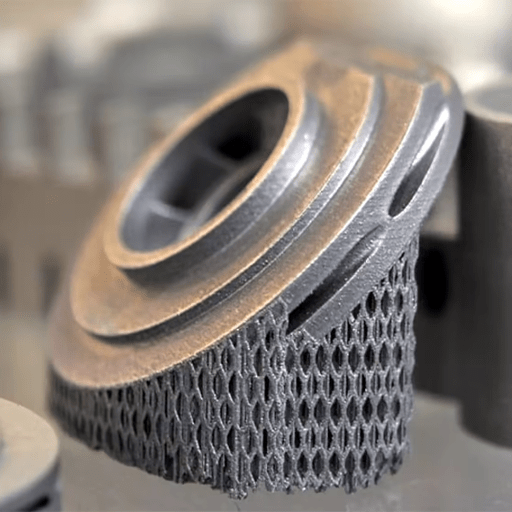
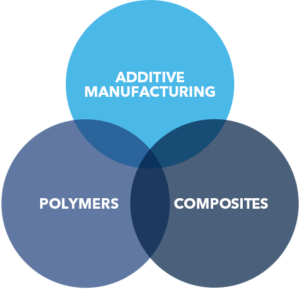
We research at the intersections between additive manufacturing, composites, and polymeric materials. We develop processes to enable new functionality using advanced designs of composite materials with selective placement of material properties within complex geometries for more intelligent designs.

This multiple material composite design capability includes process and machine optimization in order to reliably manufacture multi-functional parts for applied end use applications.

WHY IT MATTERS:

With proper design, composite and hybrid materials can provide increased performance through weight savings and increases in specific strength while simultaneously enabling enhanced capabilities through embedded multifunctionality. The Materials Design and Optimization Division has a demonstrated history of creating and transitioning advanced material solutions to our DoD customers and our systems can be found throughout the undersea and surface fleets.

WHO WE ARE:

Penn State’s Center for Innovative Material Processing through Direct Digital Deposition (CIMP-3D) is a University-wide activity that seeks to discover, develop, and deploy additive manufacturing (AM) technology for critical applications.  The Center is operated by fulltime Applied Research Laboratory personnel and comprising more than 100 faculty, staff, and students across a broad range of engineering and scientific disciplines. We’re committed to advancing AM science and technology through expertise in AM materials (engineering, characterization, and evaluation), processes (physics, analytics, engineering), and design.

WHAT WE DO:
  • We advance the enabling science and technology required to successfully develop, evaluate, and implement additive manufacturing for critical components and structures.
  • We provide scientific expertise, technical assistance, and serve as an honest broker to our government (e.g., DoD, DOE, NASA, DARPA) and industrial sponsors through selection, demonstration, and validation of AM technology.
  • We promote the potential of AM technology through training, education, and dissemination of information.

CIMP-3D supports both fundamental research and applied development for AM of metals, polymers and ceramics. Our expertise spans all technology readiness levels and all aspects of AM: advanced AM-enabled designs; materials design, modeling, & characterization; process engineering, simulation, and optimization; and AM data management and process qualification. We are experienced in leading, executing, and supporting proprietary and controlled programs that advance and apply AM technology for our sponsors.

WHY IT MATTERS:

Our efforts to advance AM science and technologies enable our customers to improve the performance, capability, and readiness of their critical, engineered assets.

Research Facilities, Centers, and Institutes

ARL is partnered with a wide range of research facilities, centers, and institutes. Our partnerships help advance the state-of-the-art technology and practices within our many research areas.

Research Facilities

Undersea Systems

Trailblazing future technologies, today

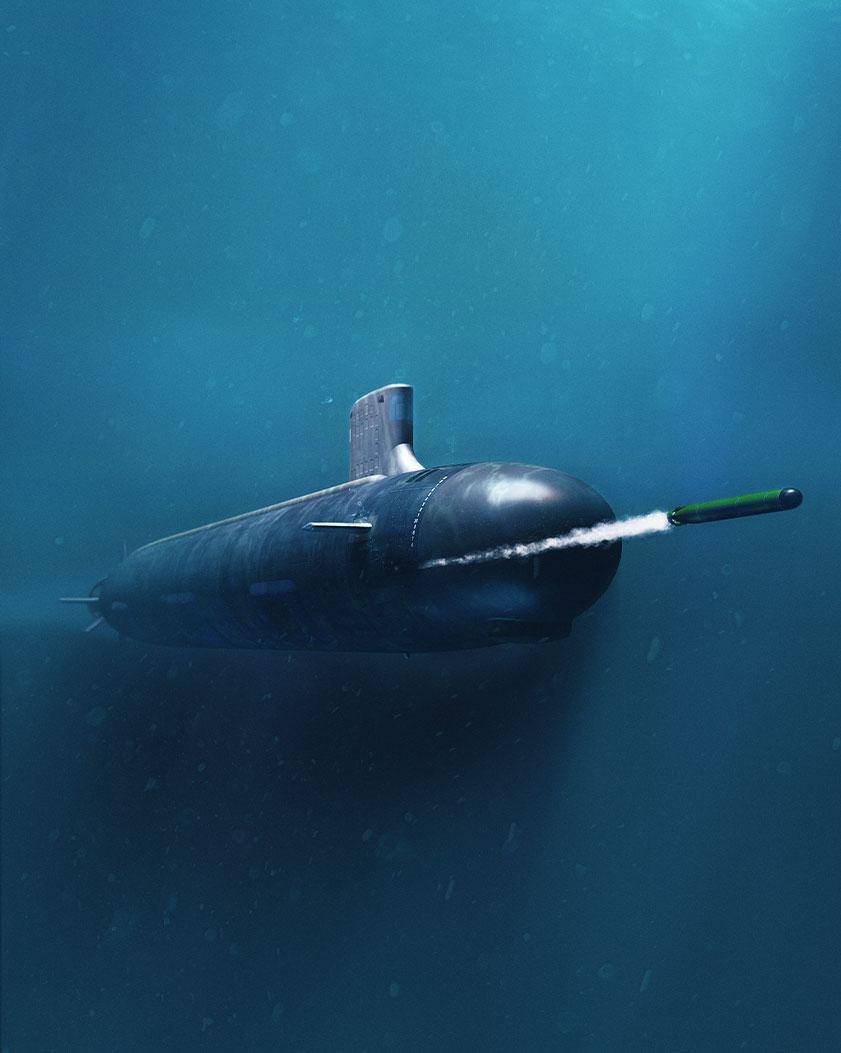
Our cutting-edge expertise in undersea weapons, UUVs, advanced sensors, and power and energy systems put us at the intersection of innovation and industry.

USO designs, develops, validates, and maintains a suite of large-scale undersea warfare models and simulations used by technology developers, analysts, the Navy, and its allies. We serve as a research center of excellence in undersea weapons, unmanned undersea vehicles, and advanced sonars.

We support our national security and undersea warfare sponsors through the development and demonstration of science and technology with the expertise, tools, and processes to take concepts from the early developmental phase through transition to industry and the fleet.

Capabilities:

  • Advanced Sonar Systems
  • Signal Processing, Target Tracking/Classification, and Data Fusion
  • Autonomous Vehicle Guidance and Control
  • Embedded, Real-time Software
  • Mechanical/Electrical Engineering Design
  • Power and Energy Systems Design and Development
  • Fiber Optic Systems
  • Modeling and Simulation/Operations Research
  • Rapid Prototyping
  • System Engineering, Integration and Test

With state-of-the-art facilities and a strong history of scientific excellence,
USO serves as a trusted advisor able to leverage decades of institutional knowledge.

We equip our national security, intelligence community, and government sponsors with the tools they need to achieve their missions. Our expertise in rapid prototyping and cutting-edge research provides a competitive advantage to our mission partners.

Our Divisions

  • Energy Science and Power Systems
  • Engineering Systems Research and Development
  • Guidance and Control Technology (GCT)
  • Model-Based Engineering (MBE)
  • Sonar Research and Development
  • System and Emerging Capabilities

ARL is committed to our employee’s health and well-being by supporting Penn State initiatives, local health officials, and government leaders in preventing COVID-19 in the workplace.

Our employees whose work or research can be done remotely, from home, are doing so. We have also given the opportunity of a flexible work schedule to assist our employees who have other obligations to consider. For those whose work or research requires them to be in our laboratories, offices, or on campus, we are following all protocols necessary to reduce the spread of COVID-19, including mandatory mask training, strict safety procedures, and a network of contacts for reporting any ill-feeling symptoms.

As new employees join our workforce, the above guidelines apply. 

You can be confident that we will maintain our vigilant enforcement of all COVID-19 protocols in our workplace to ensure the health and safety of everyone.

Our strength comes from our people… we are a diverse group of professionals who hail from all over this great Nation, with all kinds of experience and expertise. As a team, we will get through this together with patience, diligence, vigilance, and resilience.